And the rise of border tourism in India
Two nations.
Two warring nations.
Between the nations, flowed a river.
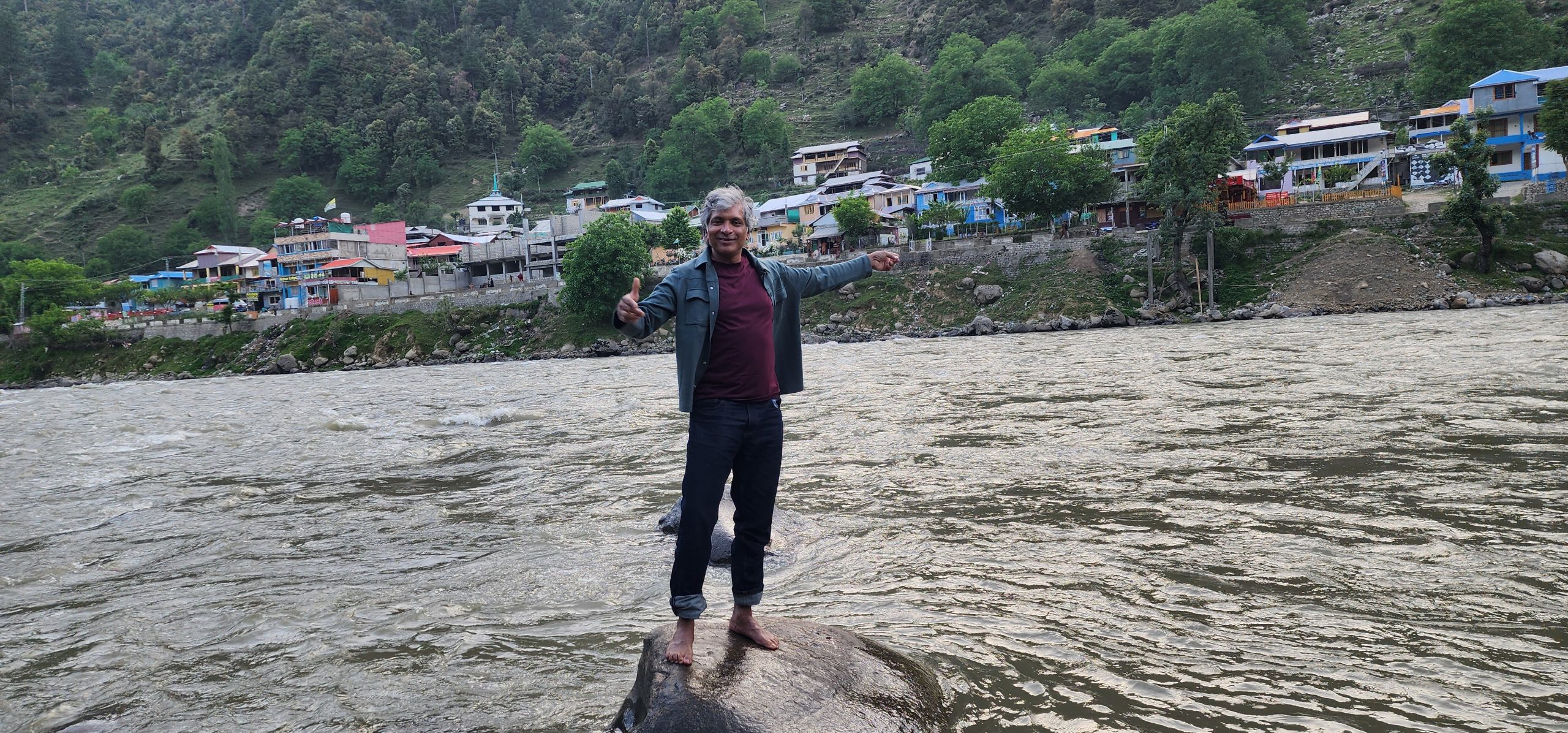
‘We call it Kishanganga, while for them it’s the Neelam,’ Fazan said. ‘But as you can see there is no difference between the waters,’ he giggled, sending flat pebbles skimming across the frothy top.
He whistled at some people on the other side of the river who whistled back. Latching on, I waved and they waved back; salutes and heart signs were exchanged over the gushing water.
Looked like not much difference between people either.
We were at Keran, among the last frontiers of India. An unexplored terrain till recent, it is now open to travellers who are looking for experience with an edge – some adventure, geopolitics and cultural exchange.
India always has been a hotspot for those interested in ‘border tourism.’ With at least half a dozen international borders, there is enough to choose from: China, Nepal, Bhutan, Bangladesh, Pakistan and Myanmar – all offer a landscape that is alluring and intriguing at the same time. The high altitude lakes of Pangong Tso, and Tso Moriri near Hanle (both of which we covered in this trip with the Umling La) in Ladakh, Tawang and Bum La in Arunachal Pradesh offering clear views into China, Nadabet in Gujarat, desert frontier Longewala, Rajasthan, snow-covered Nathu La in Sikkim overlooking the erstwhile trade routes, and of course the pop patriotic Wagah Border in Punjab.
Then there are also the border tourism destinations of a more tranquil order like the verdant town of Dawki in Meghalaya along the Bangladesh border. Probably better known for the Umngot River – so clear that you can see all the way to the bottom. Dhanushkodi in Tamil Nadu is a historic, but almost a ghost town, along the tip of Rameswaram Island, across the ocean one can sight Sri Lanka.
While the efforts are worth it, I must say it is not easy to get into Keran.
Permits initiated from Srinagar were collected from Baramulla enroute – the place itself is 150 km northwest of the capital. We left our hotel by the Dal Lake one early morning – the Dal Gate and surrounding areas as the day warms is a traffic mayhem. It was the school holidays and the US – Iran standoff with the resultant dooms-thought permacrisis that had gotten half the world out here. Great weather, fabulous food, and alcohol that was available with not much difficulty fuelled the rush. The scenery was historic. Once you got used to the military presence – mostly tucked into green covers, perfect camouflages, but at times a show of strength as unending convoys of armoured cars and artillery vehicles with bulletproof goggles peeping out of hatches – scenes straight out of war movies – you start noticing the lush terrains. The beautiful people always had your heart.
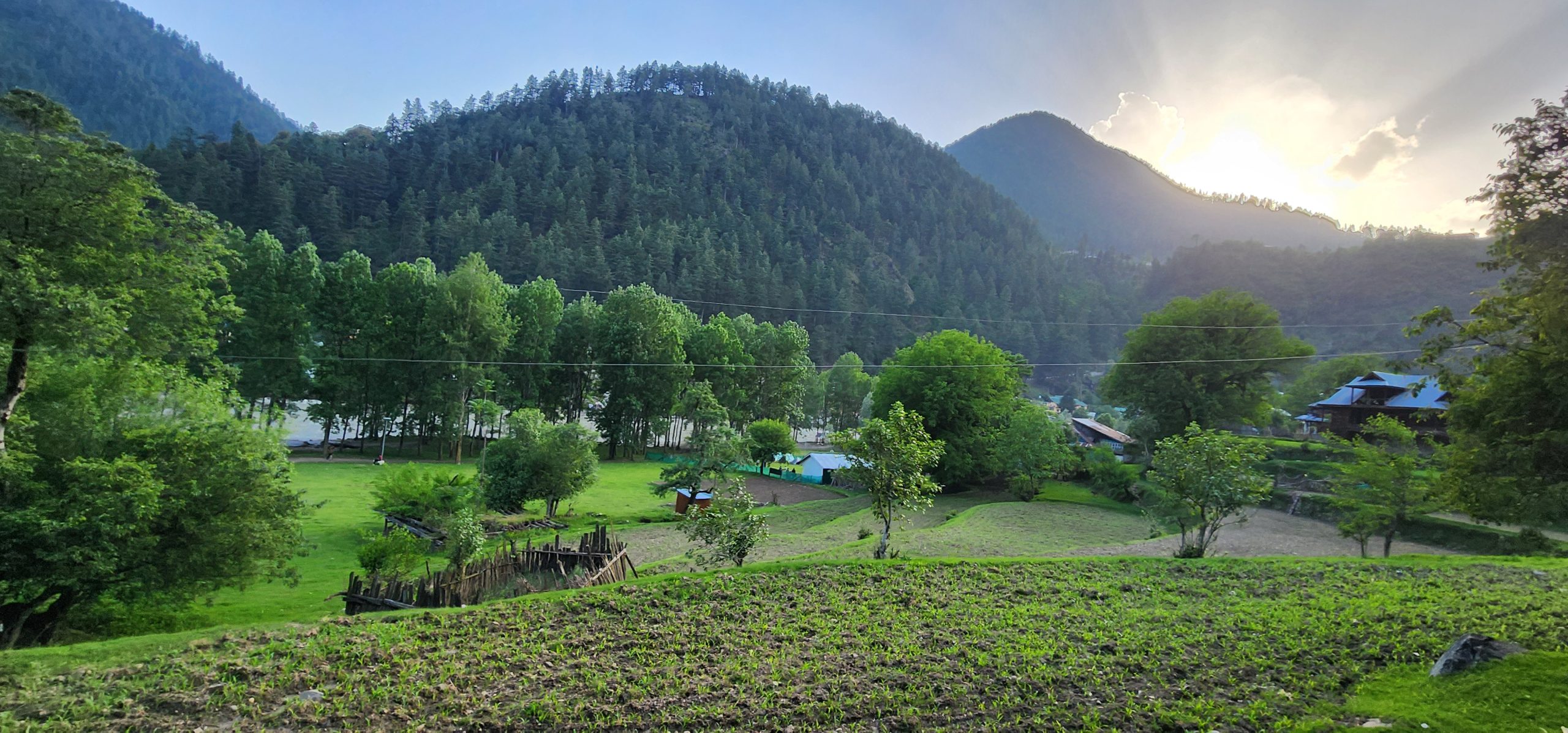
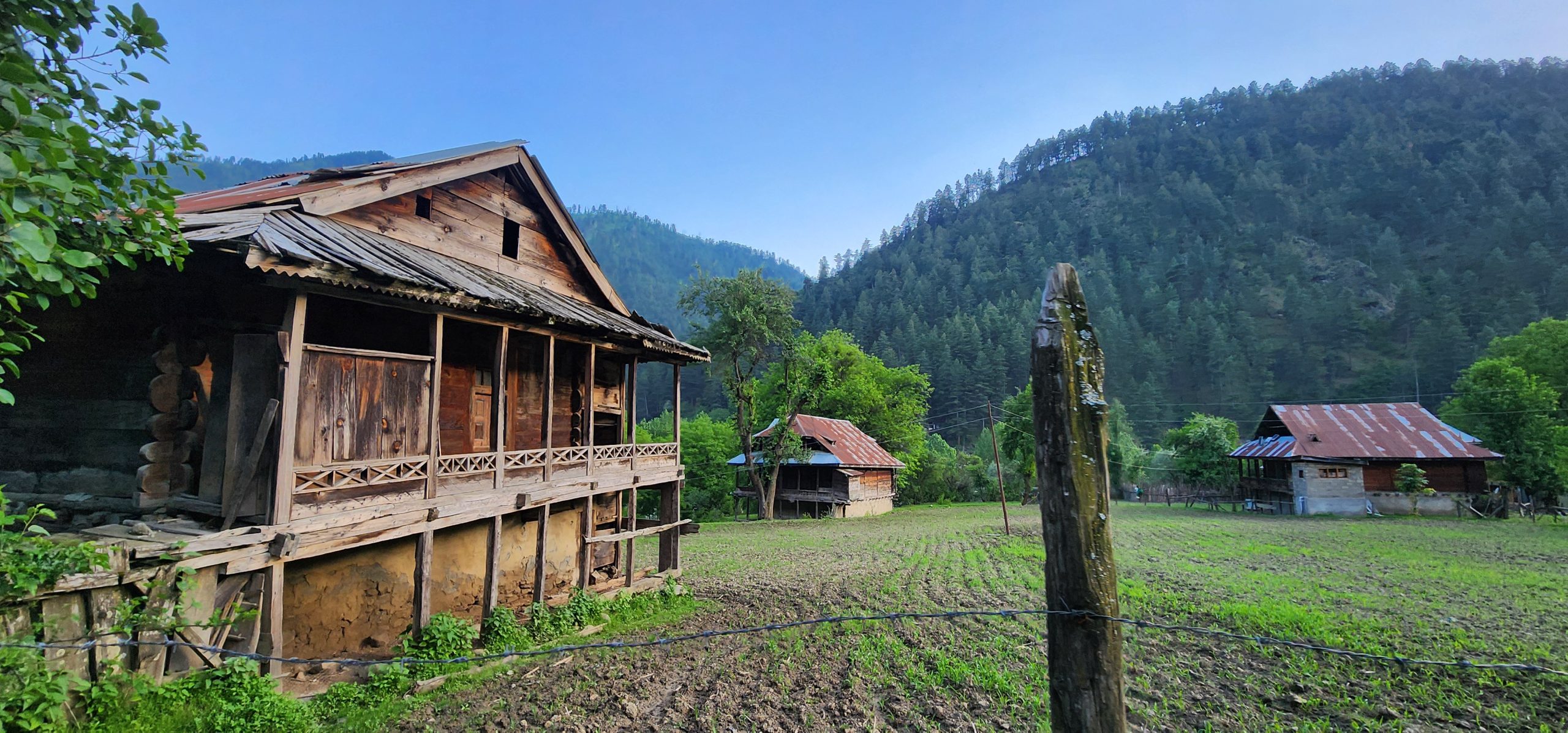
We are on the Kupwara – Keran highway, fringed by fresh fruit and berry sellers. There are also numerous nurseries from where we got maple and willow trees on our way back – these might not stand a chance in the humid plains, but Kodaikanal could be second home. The last 50 or so kilometres, there is not much traffic; the roads are also missing in large tracts. It is because of heavy snowfall with meltwater that sometimes plunges out of its regular routes. Air thins and the road winds as we begin climbing – Keran is situated at an altitude of 1,500 to 2,000 metres. While summer months – like now – were pleasant, to the point warm during daytime, winters were quite hard cutting off the region for months at a stretch.
Your climb up dense pine forests are punctuated by six military checkpoints. At each point you part with a permit copy, answer questions, open your luggage for inspection and unlock your phone for some close examination – international phone calls prefixed +92 which is the Pakistani code invite interrogation.
Espying a Mahindra Light Specialist Vehicle at one of the points, I handed over my phone to the officer and disappeared for a full 15 minutes. While some friendly officers showed me around it, I suspect the one with my phone stumbled across recent home videos – he almost dropped the phone while handing it back to me and didn’t bother to check the phone of my partner at all. Maybe he had seen it all.
I remember it was at Hanle when we had this discussion: what prompted it was the paucity of decent infrastructure which didn’t seem to come in the way of promoting it as a tourism destination. Hanle in the southeastern region of Ladakh’s Changthang region was among the most remote but captivating villages of India. At over 4,500 metres, it lay close to the border with Tibet, a biting desert plateau surrounded by stark mountains and with more mountain dogs than people. With all the ‘hotels’ and ‘resorts’ full, we were referred to a ‘homestay’ – electricity and warm water were premium commodities, but all made up for with felt, mountain hospitality and the most delish homecooked meals. Maybe it all added to the ‘frontier tourism’ charm. We even came across two couples on motorcycles from my hometown Pala! It felt good – people were really getting out these days, infrastructure or not.
Thanks to the pioneering efforts of BRO, the Border Roads Organization, connectivity was getting a much-needed push.
‘The Indian Army’s dual-use infrastructure thrust integrates defence requirements with national development,’ said a Colonel friend who hosted us at Awantipora, near Srinagar. This ‘civil-military fusion’ is a strategy followed by the Army as a means for both troop deployment and civilian connectivity. Benefits accruing to tourism is a bonus – local empowerment, cultural preservation and an understanding of strategic importance – India’s defence and geography – are all important byproducts. However, it is not easy.
‘On a serious note, security continues to be a concern in these areas,’ the Colonel added. ‘We also keep a tab ensuring development doesn’t come in the way of the fragile ecosystems in these high-altitude places.’ Border tourism should not be limited to a perfunctory foray into LoC, visiting the frontiers, sauntering about the edges but should connect cultures, and foster peace through shared experiences. Our travels must be about strengthening both national identities and local livelihoods.
Among the many things in life I fail to fathom is how can anyone love mathematics.
‘I don’t know how to tell you,’ Fazan attempted bravely. ‘But solving math problems sometimes make me feel I can understand my real-life problems better.’
Hmmm. Hmm.
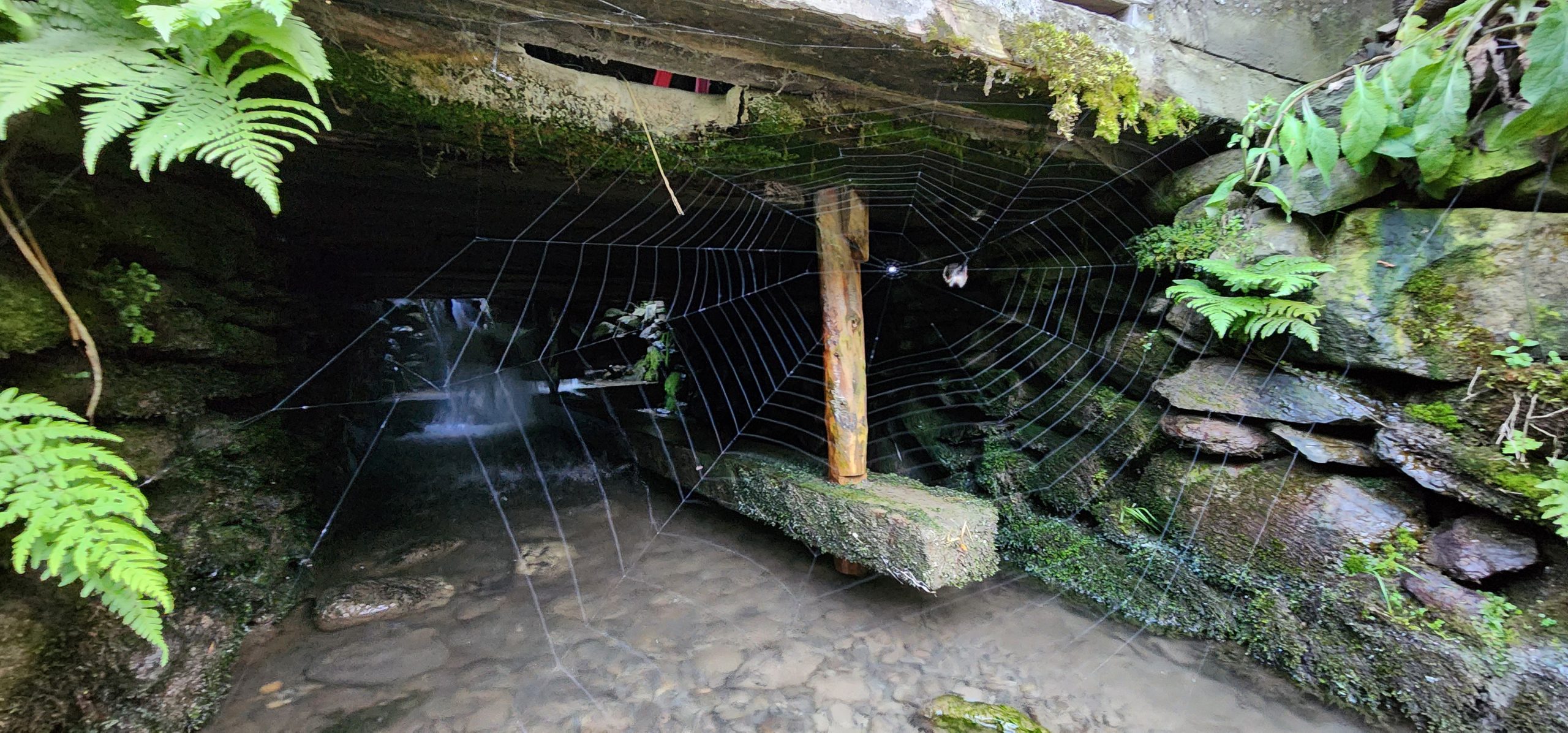
We were walking around Keran, dusking, sharing. Fazan wanted to teach mathematics when he grew up; I am sure there was a lot more he had to wrap his head around than I ever had to. After sending happy signals across the border over the river, we went to the village square and had a leisurely coffee with biscuits from a local teashop. The Indian flag fluttered in the evening breeze next to an open ground where chickens were halal-ed for dinner and sent to the many homestays including the one where we were staying. There was a viewpoint from where one could take in most of Pakistan occupied Kashmir across the border, a school from where we had made friends earlier that evening, and a still-working traditional mill – flowing water turning the waterwheel that turned the millstone. Seeing my interest Fazan jumped into freezing water to get me a closer photograph of the mechanics.
Note to self: Contact the homestay owner for his address and send across some mathematics workbooks for Fazan.
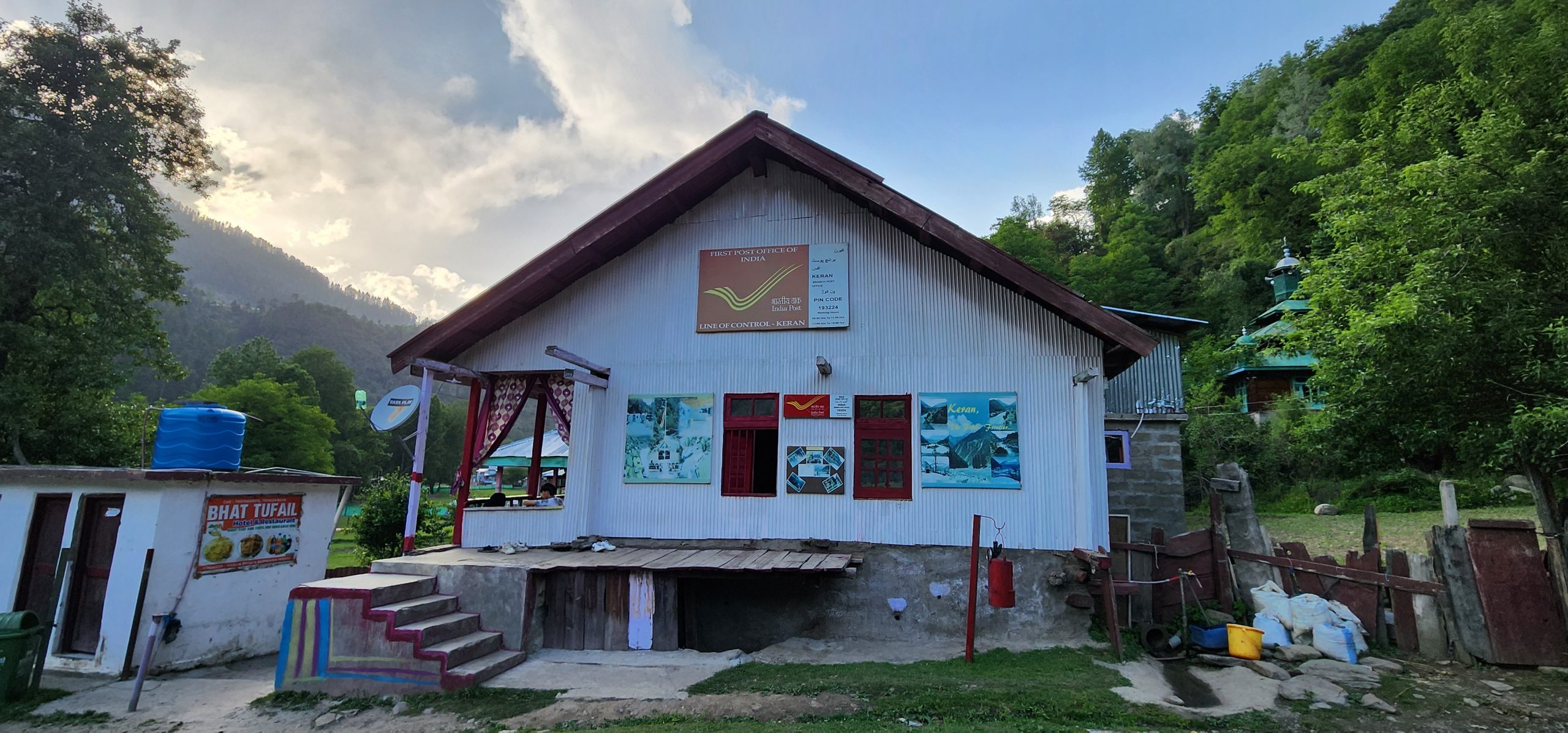
The good thing about places like Keran that haven’t made it to the popular tourist map is the people you meet – they are quite intrepid themselves. We met some interesting couples there who have been there for a few days – taking in the place, slow travel, befriending the locals, listening to history firsthand. Some high-spirited bartering did the rounds. We bought postcards from ‘India’s first post office’, watched flags on both sides of the border, looked at houses abandoned by people who took off to the other side of the border when the option was given some years ago. We promised each other a longer stay later with plenty of cosy cardio evenings and border love.
‘Once night falls, shine one mobile across the border and four will be shone back at you,’ Fazan told us.
He offered to return later that evening to show us the love.
We didn’t doubt it.